© 2018 Greg & Sylvia RAY
Read more about the article Gallipoli, oil and history
The Dardanelles, as depicted in a WW1 copy of The Graphic magazine.

Gallipoli, oil and history

Some historians assert that access to oil was a factor in Britain's decision to try to force the Dardanelles in 1915. Others disagree. Still, nobody doubts that the Middle East's oil was emerging as a major geopolitical factor at the time, and many of the military decisions in the area were deeply rooted in concern about controlling this critical resource. Persia (Iran), Mesopotamia (Iraq) and all the other names that still resound in our daily news feeds were already central to global empire planning. And here we are today: a blockaded strait, a naval stand-off and…
Continue ReadingGallipoli, oil and history

Imperial hubris and the fall of Singapore

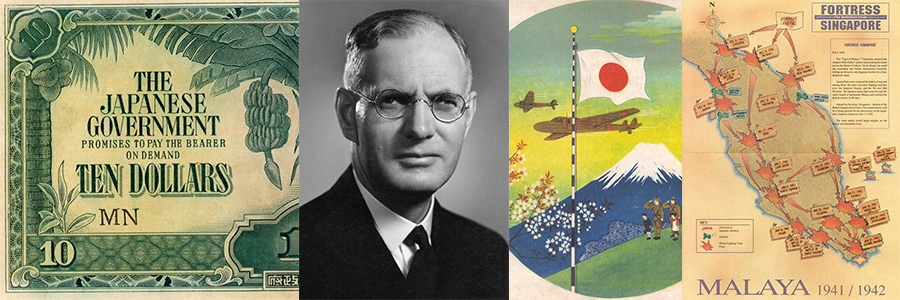
The wartime dealings of Australian Prime Minister John Curtin with his British counterpart Winston Churchill have become the stuff of Australian folklore. Some historians have portrayed Curtin as Australia’s bold saviour, while others have accused him of being a nitpicking panic-merchant. Thanks to the Department of Foreign Affairs and Trade, which some years ago made many formerly secret telegrams and cables between the two leaders and other leading figures of the period publicly available on its website, interested readers can make up their own minds. WHEN wartime Prime Minister John Curtin used to remind Australians that:…

Continue ReadingImperial hubris and the fall of Singapore
×
×

Cart