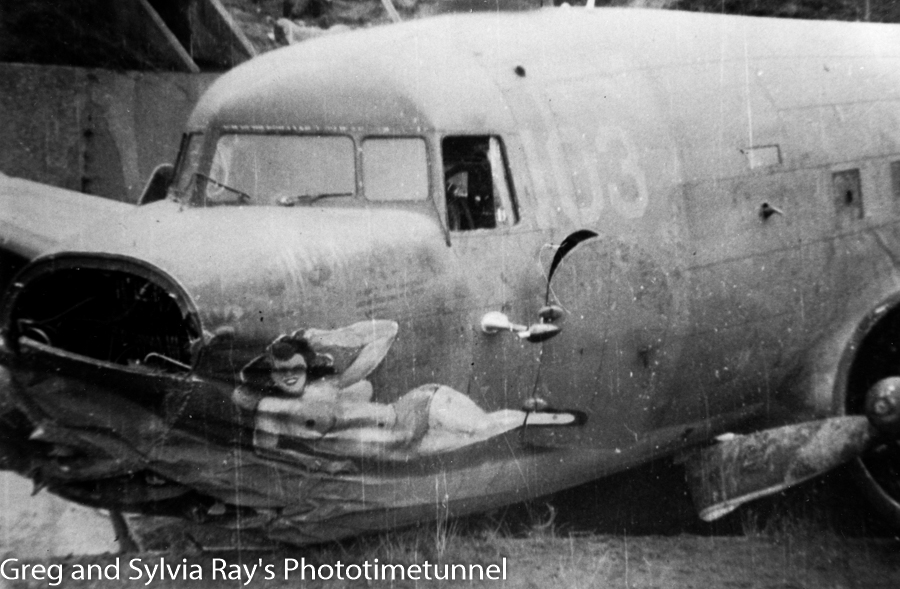
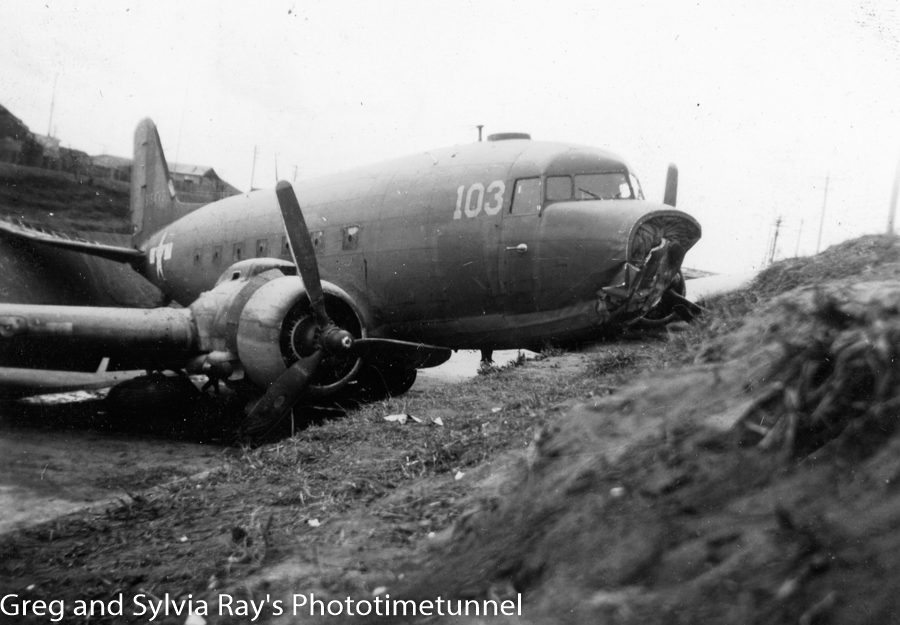
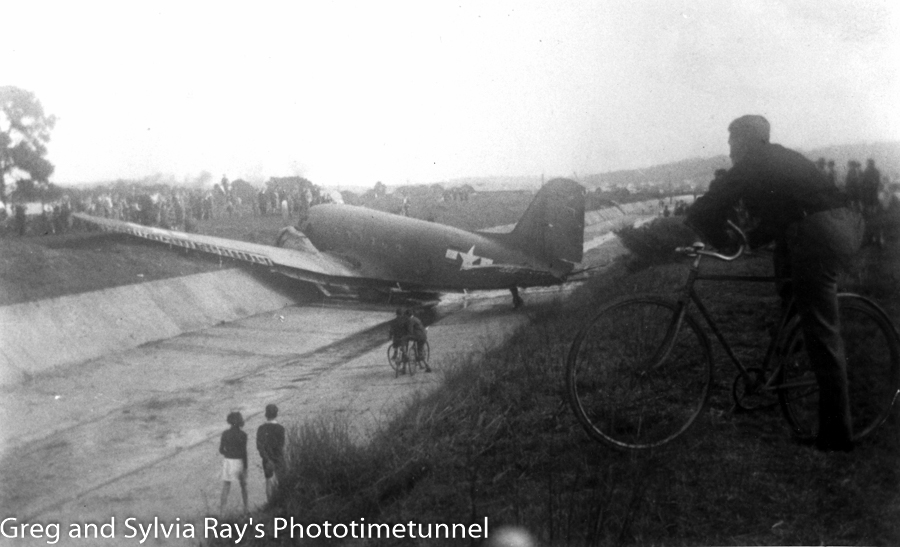
When a US Army Douglas C-47A Skytrain aircraft crashed into a stormwater drain at Broadmeadow in World War 2, plenty of people crowded around for a look. Quite a few took photos, despite efforts by authorities to prevent this.
The plane had been forced to make an emergency landing at Broadmeadow airstrip because of a severe storm, but it skidded on the wet runway, crashed through a fence and ended up in the drain. Of the 25 men aboard, two were slightly injured. According to newspaper reports, the plane was the seventh in two years to land in the drain.
Des Hopkins of Cardiff shared with me a photo taken by his brother, Neville, back when the plane crashed on August 10, 1944. The brothers had gone, with hundreds of other sightseers, to have a look at the accident scene. Des said Neville asked permission to take a photo with his trusty box Brownie, but was sternly refused.
“So he sat the camera on a bit of concrete and, when nobody was watching, he moved it until the plane showed up in the viewfinder. Then he opened the shutter,” Des recalled. The photo is certainly a nice sharp one.
This link, to a blog post by Lachlan Wetherall, shows the location of the crash:
https://lachlanwetherall.com/2015/04/drain-plane/
Novocastrian aviation identity, Bill Hitchcock, told me that some young lads were exceedingly interested in the topless lady painted on the nose section of the crashed plane’s fuselage. Such was the level of their interest, he asserted, the authorities chose to have it painted over. I’m not sure if that’s true, but it makes a good story.
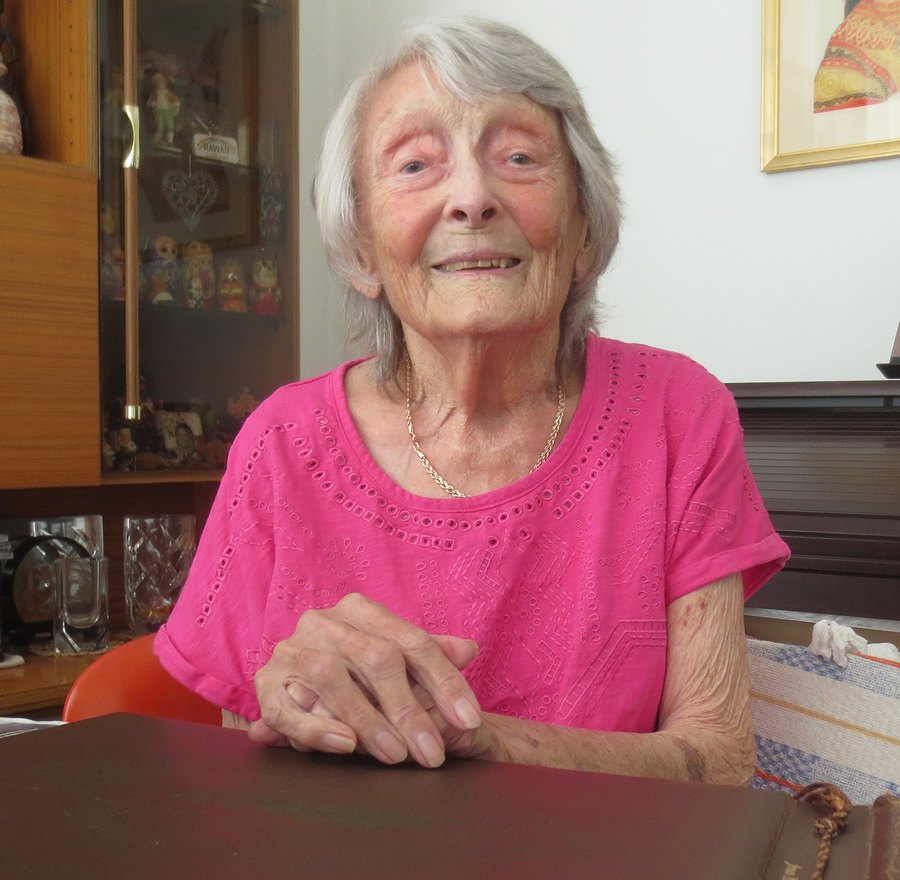
Another crash in the same vicinity was witnessed by Leonie Leben (nee Hay), in September 1943 when she was about eight years old and living in Merewether. Leonie and her mother had gone for a walk to the beach on a grey Sunday afternoon and were sitting in the picnic shed looking out to sea. Her mother pointed out a convoy of about five merchant ships, with a Beaufort bomber circling overhead.
“Mum said the plane was on submarine patrol,” Leonie said. “After a while they seemed to all bunch up together and all these splashes started appearing in the water. Mum said it was time for us to go home. But walking back into the Mitchell Street end of Caldwell Street we heard an awful noise. Over Park Street hill, where the Methodist church used to be, we saw the plane flying with one of its engines on fire and smoke pouring out. I clung to Mum and watched it follow the street line towards the horizon, flying over one, two, three roofs, then at the fourth one a massive explosion. Much later I understood that we had seen them unloading their bombs before heading towards the aerodrome at Broadmeadow.”
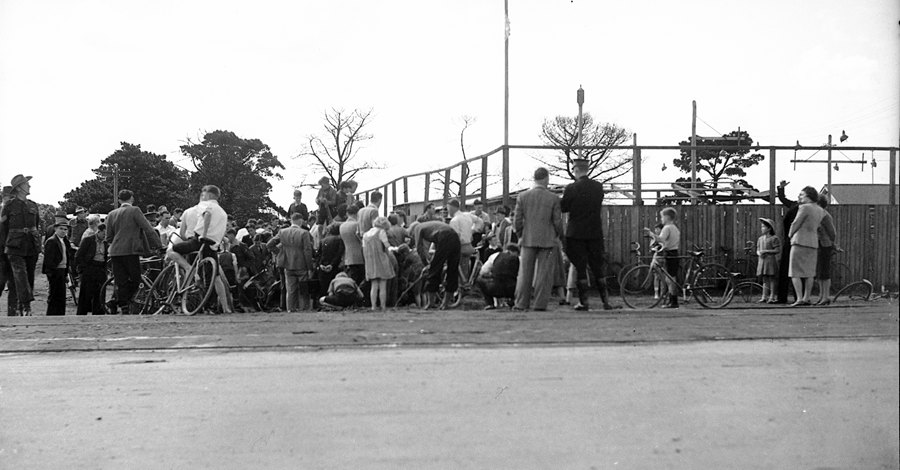
“We could smell fuel and hear bullets exploding. We headed over to where it crashed and crowds of people were all around the fence. We heard the plane had wanted to land at the aerodrome but their was an Air Cadets parade, so it turned towards Lambton Road but crashed near the railway station, not far from the tennis courts. It was very exciting but I didn’t realise until years later that I had been watching three young men going to their deaths. I can still close my eyes and see that plane,” Leonie said.